October 12, 2026



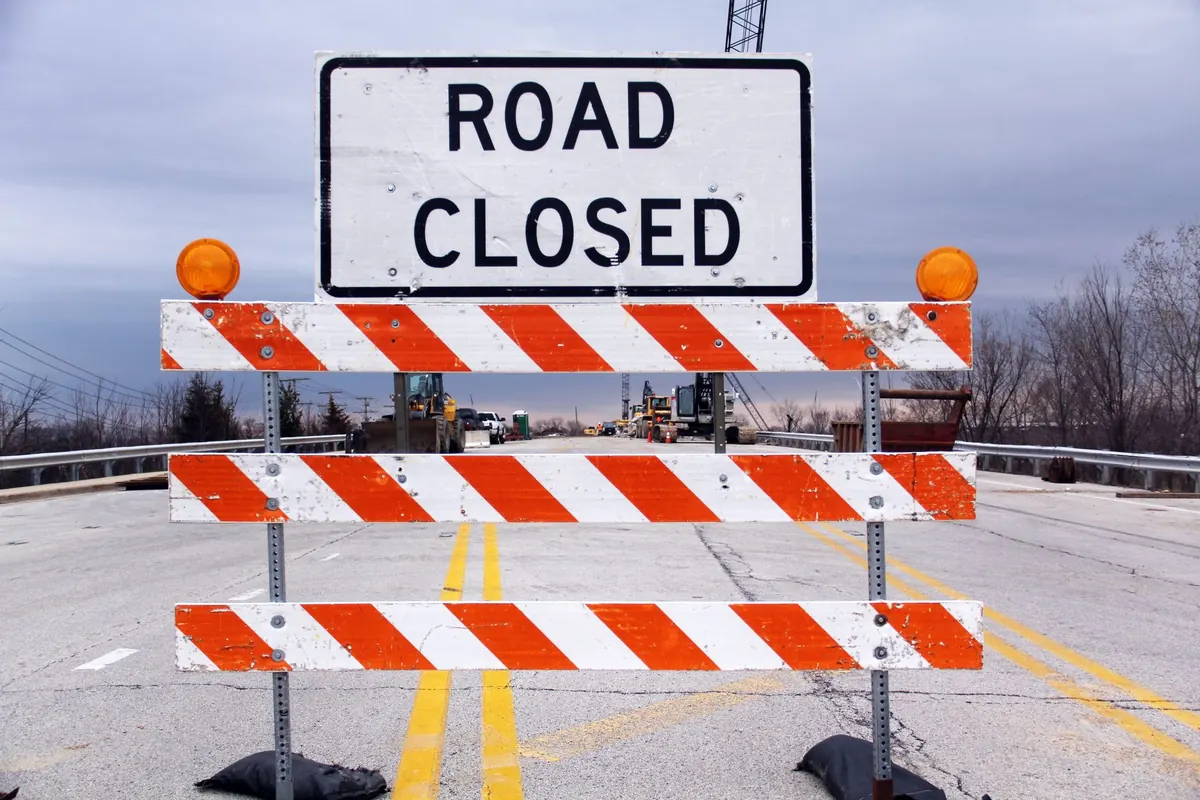
If you have ever tried to turn onto Yorkdale Road on the Saturday before the holidays and found a row of cones where the intersection used to be, you were not imagining it. The closures are planned, permitted and, in a narrow practical sense, deliberate.
They are not a punishment aimed at shoppers, and they are rarely the result of one bad decision by one person. They are the mechanism the city and the mall use to stop a very large amount of traffic from gridlocking a very small number of intersections. Understanding how that mechanism works makes the whole thing less maddening — and makes planning a weekend trip far easier.
Rarely is all of Yorkdale Road shut. What most drivers meet is a patchwork: a short segment closed near a mall driveway, a right-turn ban at Dufferin or Ranee, temporary no-stopping zones on the residential streets that run parallel, and a couple of entrances converted to right-in, right-out only.
The decision sits with city transportation staff, not with the retailer. A shopping centre can request help, and event organizers often do, but the road is public and the permit is a city document. Police handle enforcement and, at the busiest corners, direction of traffic.
Worth saying plainly: a road does not close because a store asks nicely. A closure has to be justified on safety and traffic-flow grounds, and it usually comes with conditions — hours, a maximum footprint, a requirement to keep a lane open for buses or emergency vehicles.
When you see a closure in place, a fair amount has already happened. Depending on the size of the event, the file typically includes some combination of the following:
Timelines, fees and document requirements vary by municipality and by the scale of the event. If you are the one organizing something — a street festival, a film shoot, a charity run — confirm the specifics with the city's transportation department early. Missing a lead time is the most common way a good event plan falls apart.
A closure is not one decision. It is a sequence of them — permit, plan, staffing, signage — and each one has a lead time attached.
Three things happen at once on a peak shopping weekend, and together they push a road from busy to closed.
Cars waiting to turn into a parking garage back up past the driveway and into the live lane. Once that queue reaches the intersection, the intersection stops working, and it will not recover on its own. Closing a driveway or forcing right-in, right-out breaks the queue before it reaches the corner.
Foot traffic between the subway, the bus loop and the mall entrances multiplies. More pedestrians means longer crossing times and more right-turn conflicts, which is why you often see turn restrictions rather than a simple lane closure.
If a bus cannot get through, dozens of people are stuck and the next bus stacks up behind it. Keeping a lane clear for transit and emergency vehicles is usually a condition of the permit, not an afterthought.
Closures follow a recognizable shape around big retail weekends. Know the shape and you can predict the route before the signs appear.
The subway is usually the least affected part of the network, and on the heaviest weekends it is the sensible choice. Surface buses are a different story: when a lane closes, a route may be diverted and a stop may move a block or two without much warning. Check service notices the morning you travel instead of assuming last week's route still applies.
Drop-offs are where well-meaning drivers cause most of the damage. Stopping in a live lane to let someone out creates the exact queue the closure was designed to prevent. Use the designated drop-off area or the lot, even if it costs you three minutes. Rideshare pickups are often relocated to a specific corner or lot during big events; walk to it rather than waving the car into traffic.
Closures around Yorkdale Road are not arbitrary, and they are not permanent. They are permitted, temporary traffic measures with a stated purpose: keep the intersections working, keep pedestrians safe, keep buses and ambulances moving. The detour is the point, not the problem.
So the practical version is short. Check the notices before you drive, treat the signed detour as the route rather than cutting through side streets, and let the subway do the work on the busiest weekends of the year. A little patience at the cones goes further than a clever shortcut.
Your local source for Yorkdale news and events.
Copyright © 2026 Yorkdale Weekly. All rights reserved. Yorkdale Weekly.